Do coconuts grow in Malaysia?
Yes, coconuts grow very well in Malaysia. The country’s tropical climate provides ideal warm and humid conditions for coconut palms (Cocos nucifera), which are cultivated across roughly 85,000 hectares, primarily in states like Selangor, Johor, Perak, Sabah, and Sarawak. The warm climate and suitable rainfall support coconut cultivation throughout the year, making coconut an important agricultural crop in Malaysia.
What types of coconuts are available in Malaysia?
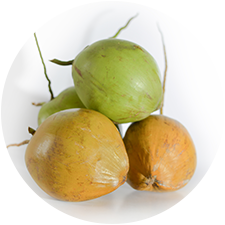
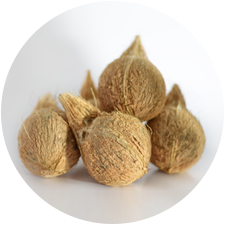
Coconut varieties in Malaysia include young green coconuts, mature coconuts, and other varieties cultivated for different food and beverage applications. Young coconuts are commonly used for their refreshing coconut water and tender meat, while mature coconuts are often processed for coconut milk, grated coconut, cooking, desserts, and other food products. The most suitable type depends on the intended use and level of maturity required.
Where are coconuts grown in Malaysia?
Coconuts are cultivated in various parts of Malaysia, including states such as Selangor, Johor, Perak, Sabah, and Sarawak. Different growing areas contribute to the country’s overall coconut supply, supporting both local consumption and commercial applications. The availability of coconuts may vary depending on the variety, harvest conditions, season, and production area.
What are coconuts in Malaysia commonly used for?
Coconut in Malaysia is widely used in food, beverages, desserts, and cooking. Young coconuts are popular for coconut water and tender coconut meat, while mature coconuts can be processed into coconut milk, cream, grated coconut, coconut oil, and other ingredients. Coconut is also commonly used in traditional Malaysian dishes and desserts, making it an important ingredient in both household and commercial food preparation.
Is coconut important to Malaysia's agriculture?
Yes, coconut is an important agricultural crop in Malaysia and contributes to the country’s food supply and agricultural economy. Coconut cultivation supports farmers, processors, wholesalers, and businesses involved in food and beverage production. The crop is valued for its versatility, as different parts of the coconut can be used for food, beverages, cooking ingredients, and other commercial applications.
What is the difference between young and mature coconuts?
Young coconuts are harvested at an earlier stage of maturity and are known for their refreshing coconut water and soft, tender meat. Mature coconuts are left to develop for longer, resulting in thicker and firmer coconut meat with less coconut water. Because of these differences, young and mature coconuts are commonly used for different food and beverage applications.