Is fresh cut coconut good for you?
Yes, fresh coconut meat is good for you in moderation. It provides healthy fats, dietary fiber, and key minerals like manganese and copper, but it is also very dense in calories and saturated fat. Fresh cut coconut can be enjoyed as a snack or used in desserts, beverages, cooking, and other food preparations. As with other calorie-dense foods, consuming it in reasonable portions can help you enjoy its nutritional benefits as part of a balanced diet.
How to store fresh cut coconut?
To store fresh cut coconut, place the meat chunks or shredded pieces in a clean, airtight container. Cover them completely with fresh water, seal the container, and refrigerate for up to one to two weeks, making sure to change the water every two days. For long-term storage, freeze grated or chopped coconut in freezer bags for up to three months. Proper storage helps maintain the freshness, texture, and taste of the coconut after it has been cut.
Is fresh coconut high in sugar?
No, fresh coconut meat is not high in sugar. One cup (80 grams) of fresh, raw coconut meat contains only about 5 grams of sugar, making it a relatively low-sugar, low-carbohydrate food that is also rich in fiber and healthy fats. However, the nutritional content can vary depending on the maturity and preparation of the coconut. Fresh coconut should still be enjoyed in appropriate portions as part of a balanced diet.
What is the healthiest part of a coconut?
The coconut meat, which is the white inner flesh, is one of the most nutrient-rich parts of the coconut. It offers dietary fiber, essential minerals like manganese and copper, and medium-chain triglycerides (MCTs), which are types of fat found naturally in coconut. Fresh coconut meat can be eaten raw or used in a variety of dishes, desserts, drinks, and other food preparations.
Is coconut good for cholesterol?
No, coconut is generally not considered a food for managing high cholesterol. Coconut oil and meat are relatively high in saturated fats, which can raise harmful LDL cholesterol levels when consumed in excess. While coconut may also increase HDL cholesterol, health experts generally recommend limiting saturated fat intake and choosing more unsaturated plant oils where appropriate. If you are managing your cholesterol, it is best to consider your overall dietary pattern rather than relying on coconut as a specific cholesterol-lowering food.
Is raw fresh coconut good for you?
Yes, raw fresh coconut is good for you in moderation. It is packed with dietary fiber, essential minerals like manganese and copper, and healthy fats that provide energy. Fresh coconut meat can be eaten directly after opening or added to smoothies, desserts, salads, and cooked dishes. However, it is also relatively high in calories and saturated fat, so smaller portions are generally recommended.
What is raw coconut called?
Raw white coconut inside the shell is called coconut meat or coconut kernel. Depending on the age of the fruit, the raw inside parts may also be known as tender coconut flesh or mature coconut meat. Young coconuts generally have softer and more tender flesh, while mature coconuts develop thicker and firmer meat. The type of coconut meat used often depends on the intended food or beverage application.
What is a botak coconut?
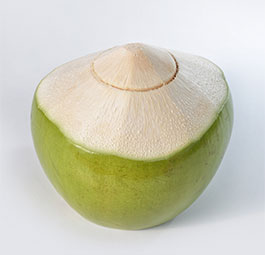
A botak coconut is a type of coconut commonly recognised by its appearance and is often associated with coconuts that have a relatively smooth or less fibrous outer surface. Depending on the supplier and local usage, the term may refer to a particular coconut variety or a locally used name for a type of coconut. Its suitability for drinking, fresh coconut meat, cooking, or other applications depends on its maturity, freshness, and intended use.